
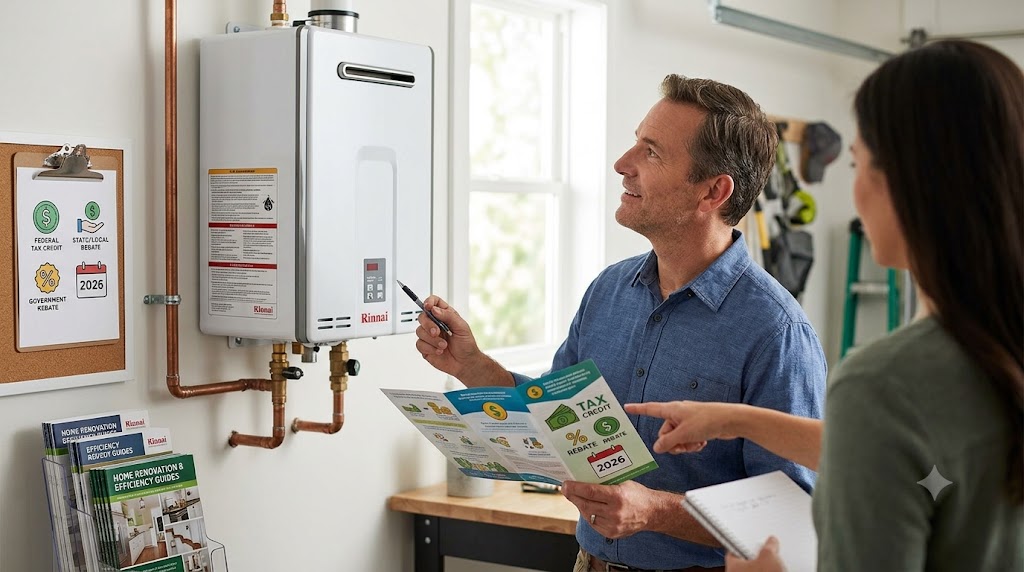
Anyone shopping for a new tankless water heater has likely seen mentions of federal tax credits or utility rebates that can offset the cost. The rules around these programs change over time, and it’s worth checking current status carefully rather than assuming older information still applies.
As of 2026, homeowners should verify current federal, state, and utility rebate program status directly before assuming a specific credit applies to a Rinnai tankless water heater purchase, since eligibility, dollar amounts, and program windows change and some programs have expired or been restructured in recent years. Always confirm directly with the IRS, your state energy office, or your utility provider rather than relying on older articles or retailer claims.
Federal Tax Credit Considerations
Historically, the Energy Efficient Home Improvement Credit under Section 25C provided a federal tax credit for qualifying high-efficiency water heaters, including certain condensing tankless models meeting minimum efficiency thresholds. Program details, qualifying efficiency ratings, and credit amounts have changed over time, so check the current IRS guidance directly at irs.gov for the tax year you’re purchasing in, rather than assuming past program terms still apply.
State-Level Incentives
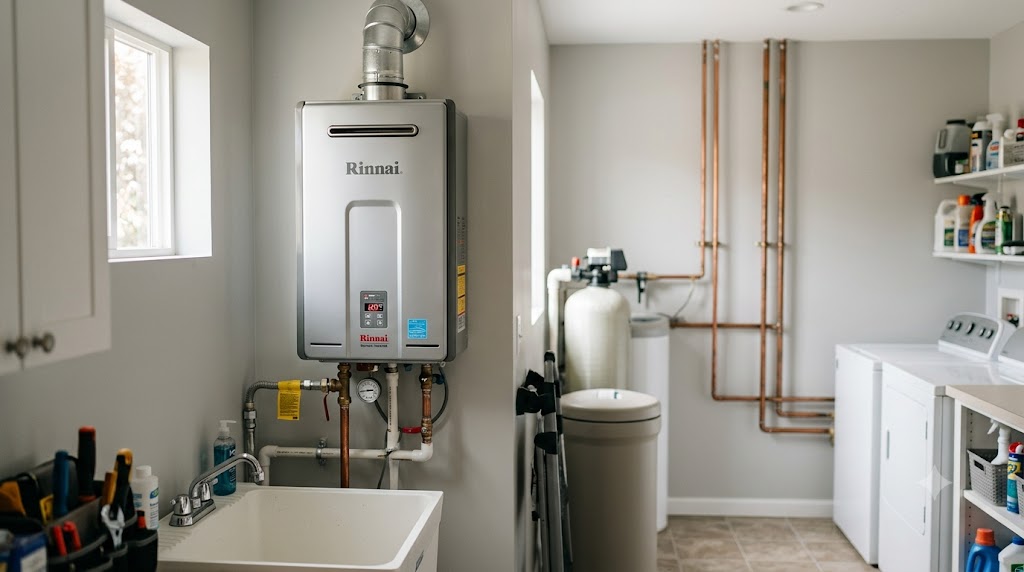
Many states offer their own energy efficiency rebate or tax incentive programs for high-efficiency water heaters, separate from federal programs. These vary significantly by state and change periodically, so check your specific state energy office’s current program listings for anything applicable to condensing tankless water heaters like the RXP199iN.
Utility Company Rebates
Many gas and electric utility companies offer their own rebate programs for high-efficiency appliance upgrades, including tankless water heaters, as part of energy conservation initiatives. Contact your specific gas utility provider directly to ask about any current rebate programs available in your service area, since these are often the most accessible and immediately actionable incentive to check.
What Efficiency Rating Typically Qualifies
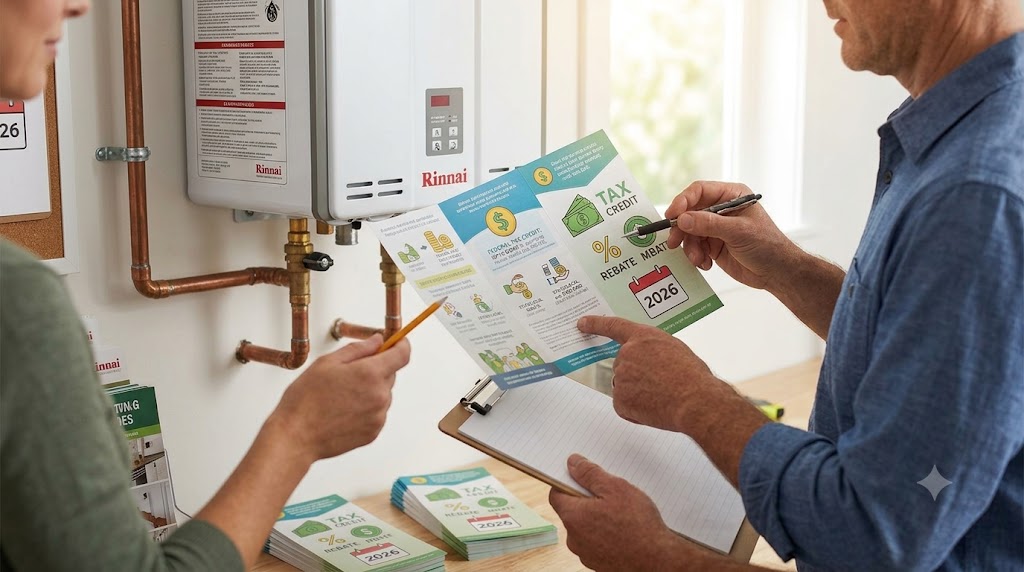
Programs that do offer incentives for tankless water heaters generally require a minimum Uniform Energy Factor (UEF) or Energy Factor rating, and Energy Star certification is often a baseline qualifying criterion. Confirm your specific model’s certification status and efficiency rating against whatever program’s specific requirements you’re checking.
How to Actually Verify What Applies to You
Check irs.gov directly for current federal tax credit status and requirements. Check your state energy office’s official website for state-level programs. Contact your gas or electric utility directly for any local rebate programs. Avoid relying on third-party articles, including this one, for exact current dollar amounts or eligibility rules, since these programs change and the most reliable source is always the issuing agency or utility itself.
Rinnai RXP199iN Condensing Tankless Water Heater with Built-In Recirculation Pump - View on Amazon
The Bottom Line
Tax credit and rebate programs for high-efficiency water heaters change frequently at the federal, state, and utility level. Always verify current program status directly with the IRS, your state energy office, or your utility provider before assuming a specific incentive applies to your Rinnai tankless water heater purchase.
Frequently Asked Questions
Is there currently a federal tax credit for tankless water heaters? Check irs.gov directly for current status, federal programs like the Energy Efficient Home Improvement Credit have changed over time and eligibility should be confirmed for your specific tax year.
Do state rebate programs exist for tankless water heaters? Many states offer their own programs, but these vary significantly and change periodically, check your specific state energy office’s current listings.
Can I get a rebate from my utility company for a tankless water heater? Many gas and electric utilities offer rebate programs for high-efficiency appliances, contact your specific provider to check current availability in your area.
What efficiency rating do I need to qualify for incentives? Programs generally require a minimum UEF or Energy Factor rating, with Energy Star certification often serving as a baseline qualifying criterion.
Is the Rinnai RXP199iN Energy Star certified? Many of Rinnai’s condensing tankless models carry Energy Star certification, confirm this specifically for your exact model before assuming eligibility for any program.
Where can I find accurate, current tax credit information? Check irs.gov directly rather than relying on retailer claims or older articles, since program terms and eligibility change over time.
Do rebate programs apply to installation cost as well as the unit itself? This varies by program, some cover installation costs while others apply only to the unit purchase, check your specific program’s terms directly.
Can I combine federal, state, and utility rebates? Sometimes, but this depends entirely on each specific program’s rules, verify directly with each issuing body whether stacking incentives is permitted.
Do I need documentation to claim a tax credit for my water heater? Yes, generally you’ll need proof of purchase and manufacturer certification of efficiency rating, keep this documentation for your tax filing.
Should I ask my installer about available rebates? It’s worth asking, since installers sometimes know about local utility programs, but always verify any claims directly with the issuing agency or utility yourself.
References
- IRS official guidance on energy efficiency tax credits, accessed July 2026: https://www.irs.gov
- Rinnai official product certification information, accessed July 2026: https://www.rinnai.us